








Select a Finder
Discounts of up to 30% during the long weekend

Drainage and geotextiles

 Filtering options
Showing 1-10 of 10 item(s)

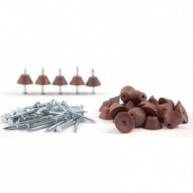
Fasteners for Danodren film

Receive it between 10 and December 11.
On sale! €0.19
€0.17
0,21 € VAT incl. 21%

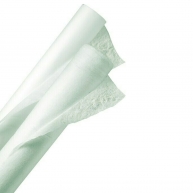
Discover a wide selection of the best geotextiles and drainage systems to optimize your construction projects. Geotextiles are permeable materials that are made of synthetic fibers that are used to control erosion and improve soil stability. Geotextiles are installed in different layers of the soil to prevent wear and tear caused by water or wind.

Drains such as sheets or drains are ideal for proper water management in any construction, to ensure its durability and functionality. Our drainage systems are designed to capture, transport and divert water in an efficient way, so that you do not have any problems with attacked water, moisture accumulation or even flooding.

Frequently asked questions

A geotextile is a flexible textile material used with soil, rock, or other engineering materials. Geotextiles are often used to separate, filter, absorb, protect, or improve the soil.

Geogrids are three-dimensional polymer structures used to strengthen the soil and increase its productivity.

Geotextiles and related products have many applications and are currently used in numerous civil engineering projects, including:

  • Roads
  • Airports
  • Railways
  • Embankments
  • Retaining structures
  • Reservoirs and channels
  • Dams
  • Coastal protection
  • Sediment fences on construction sites

The installation of geotextiles can vary depending on the project and type of application. At ParaTureforma, we present the following steps to follow for installing geotextiles:

  • Site preparation: Before installation, remove any vegetation, debris, or other objects that could damage the surface, and level the ground.
  • Measurement and cutting: Measure the area where the geotextile will be installed and cut the pieces according to the required dimensions.
  • Placing the geotextile: Carefully lay the geotextile over the ground, ensuring it covers the entire surface and has no wrinkles.
  • Fixing: To keep the geotextile in place, use fastening elements at the corners and centre, such as stakes, staples, or nails.
  • Joining pieces: If the area to cover is larger than the roll length, pieces should be joined with special adhesive tape to ensure secure seams.
  • Protection and finishing: Once installed, cover the geotextile with a layer of filling material, such as gravel or soil.

    Remember that the installation of geotextiles may vary according to the manufacturer’s specifications and the project requirements.

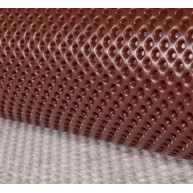
    Drainage sheets, also known as drainage geomembranes, are materials used in construction to facilitate the drainage of water on various surfaces. These sheets are designed to allow water to flow through them, preventing the accumulation of liquids and the formation of moisture in the area.