






Free Shipping
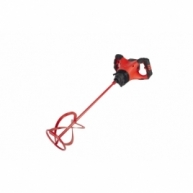
RUBIMIX-9 SUPERTORQUE 230V 50/60HZ
Receive it between 18 and June 19.
€142.60
172,55 € VAT incl. 21%
 English


Frequently asked questions
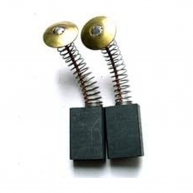
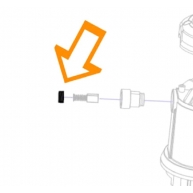
The lifespan of carbon brushes in mortar mixers can vary significantly depending on several factors. Generally, carbon brushes have an average lifespan of approximately 50 to 100 hours of continuous use. However, this can be affected by the quality of the brushes, the workload of the mixer, the operating speed, and the conditions of use.
Wear of carbon brushes occurs gradually as the mixer is used. As the brushes wear down, they become shorter and their ability to maintain contact with the motor rotor decreases. This can lead to a reduction in mixer performance, such as a slower rotation speed or difficulty starting.
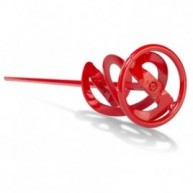
Using a mixing paddle with a mortar mixer offers several advantages. At ParaTuReforma, we highlight them:
Efficient mixing: The paddle allows for more efficient and uniform mixing of the mortar. Its helical design helps rotate and combine the entire mix, achieving a lump-free mixture.
Greater mixing capacity: The mixing paddle allows you to prepare larger quantities of mortar compared to manual methods, making the process faster and more efficient.
Time and effort savings: Using the paddle significantly reduces the time and effort needed to create the mix.
Better mortar consistency: With a mixing paddle, the final mortar has higher quality, ensuring proper adhesion and uniform strength in construction applications.
Versatility: Mortar mixer paddles are very versatile, as their length can be adjusted for different projects.
Choosing a good-quality paddle is very important, as a durable product will have a long lifespan and will not need frequent replacement.
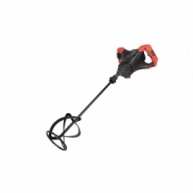
The ease of transport of a mortar mixer depends on several factors, including its size, weight and design. Some mixers are designed to be compact and lightweight, making them easier to move. These models often feature handles or built-in wheels for transporting the mixer from one location to another.
However, other mixers can be larger and heavier, which makes manual transport more difficult. In such cases, it may be necessary to use transport equipment or have additional assistance to move the mixer.
In general, it is important to consider the weight and dimensions before purchasing a mortar mixer, especially if you anticipate frequent transport. If portability is important, look for lighter, more compact models that suit your transport needs.
A mortar mixer can include several safety features to ensure safe use. From ParaTuReforma, we recommend the following common safety measures:
Following these recommendations makes it much less likely for any problems to occur while mixing mortar.