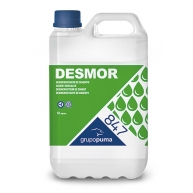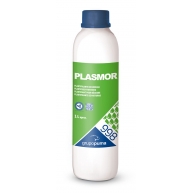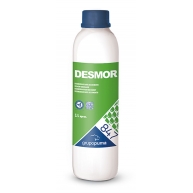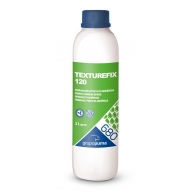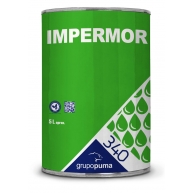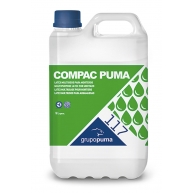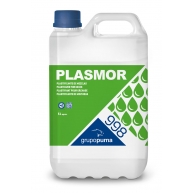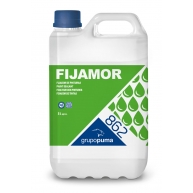








Select a Finder
Discounts of up to 30% during the long weekend

Mortar additives

 Filtering options
Showing 1-19 of 19 item(s)

Sika 1 liquid waterproofing

Receive it between 11 and December 15.
On sale! €11.62
€10.45
12,64 € VAT incl. 21%

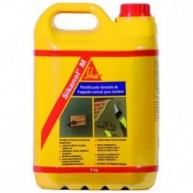
Sikanol M Aerating Plasticizer

Receive it between 11 and December 15.
On sale! €15.84
€14.26
17,25 € VAT incl. 21%

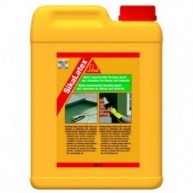
Sika Latex

Receive it between 11 and December 15.
On sale! €42.17
€37.96
45,93 € VAT incl. 21%

Additives for mortars are products that add characteristics to construction systems. Pigments or dyes for cement, for example, are added to the cement to apply a final resulting color. Polypropylene fibres are microfilaments that provide greater resistance to cement breakage. These additives can be found in liquid or powder form.

It is important in each case to read the manufacturer's information beforehand to achieve the desired result and not to alter the characteristics of the initial product.

Dyes for mortars

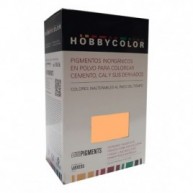
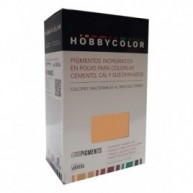
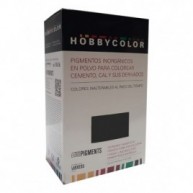
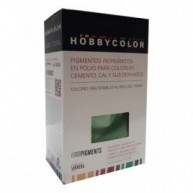
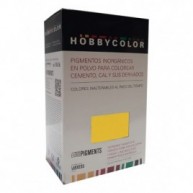
The coloring pigments are composed of powdered metal oxides, and are used for cement and its derivatives, lime and gypsum. Small format for DIY.

Characteristics

All types are made up of synthetic metal oxide pigments (iron oxide, chromium oxide, cobalt blue and titanium dioxide), inorganic, insoluble in water, resistant to alkalis and unalterable to the effect of sunlight and any other atmospheric agent.

Applications

Mortars for pigmentation of exposed brick sore: Using white or gray cement, as the case may be, we can match the color of the sore with that of the material placed (brick, block, natural stone, etc.) or on the contrary cause a contrast.

  • DIY in construction: Repairs, rustic finishes, etc.
  • Small works: Concrete formwork, concrete pavements, façade repair, tile laying mortar (so that the mortar stains on the tile are invisible).

Pigmentation of putty, grouts, whitewash in color, etc.

Presentation

Cardboard boxes with airtight polyethylene bag inside. Each container has, on the side, a marking indicating the approximate colour that results from incorporating this pigment into a white cement or a grey cement in the percentage indicated.

It can be added directly to the base to be pigmented before or after the incorporation of water, mixing sufficiently until complete dispersion is achieved.

Dosage

It is recommended to add approximately a maximum of 0.8% over the amount of mortar.

For lime mortars it is advisable to double the amount.

Waterproofing for mortars

This type of additive is used to obtain waterproofing mortars for coatings. They react with the cement during the hydration process giving rise to mineral substances that clog the capillary network, thus providing high impermeability to the mortar or concrete.

Fibres to increase the strength of mortars

Polypropylene fibers are used as an additive for mortars with the idea of increasing tensile strength, durability, inhibiting shrinkage cracks, among many other characteristics.

It is composed of 100% virgin polypropylene fibers of 6, 12 and 24 mm in length.

Frequently asked questions

The differences between powder and liquid mortar additives mainly relate to their physical form and method of application:

  • Dosage: Powder additives are dosed by adding a specific amount of powder to the mortar according to the manufacturer’s instructions. Liquid additives are measured and added directly to the mortar.

  • Mixing: Powder additives must be thoroughly mixed with the dry mortar before adding water or other liquids. Liquid additives are added directly to the mixing water or wet mortar and blended during the mixing process.

  • Ease of use: Liquid additives are generally easier to use, as they can be poured directly into the mortar and mixed evenly. Powder additives, on the other hand, may be more versatile and compatible with a wider range of mortars.

A liquid waterproofing is used to protect and seal various types of surfaces to prevent the penetration of water and other liquids. When applied to a surface, it forms a protective layer that stops water from entering, thereby preventing damage and leaks.

The main functions of a liquid waterproofing are:

  • Protection against moisture
  • Prevention of leaks
  • Weather resistance
  • Flexibility
  • Easy application

The bonding bridge liquid is a product used in construction and industry to improve adhesion between different materials. Its main function is to promote a stronger and more durable bond between surfaces that might otherwise struggle to stick to each other.