
 English














Bathroom Screens
Frequently asked questions
The right size for a shower or bath screen will depend on the available space and the dimensions of your bathroom area. To determine the appropriate size, follow these steps:
- Measure the width of your shower or bath: Use a tape measure to measure the width of the area where you want to install the screen. Measure from wall to wall or from end to end of the bath, taking into account any protrusions or irregularities in the structure.
- Determine the required height: Measure from the floor to the top of the shower or bath. This will ensure that the screen adequately covers the space and prevents water splashes.
- Consider standard dimensions: Shower and bath screens are usually available in standard sizes, which may vary by manufacturer, but typically range from 70 to 120 centimetres in width and 140 to 200 centimetres in height.
- Account for opening space: If you choose a screen with an opening, such as sliding or hinged, make sure to allow enough space to open and close the screen without obstruction. This is particularly important in a small bathroom.
It is important to measure accurately and consider any special features of your bathroom before selecting the screen size. If in doubt, it is always recommended to consult a specialist.
The maintenance level for a shower screen can vary depending on the type of material and design of the screen. However, here are some general guidelines for maintaining shower screens:
- Regular cleaning: It is important to clean the screen regularly to prevent residue build-up and keep it in good condition. Use a mild, non-abrasive cleaner and a soft cloth or sponge to clean both the inside and outside of the screen. Avoid harsh or abrasive chemicals that could damage the material.
- Preventing water accumulation: After each use, dry the surface of the screen with a towel or dry cloth to prevent water accumulation and reduce the formation of marks or limescale deposits. This will help keep the screen cleaner for longer.
- Protection from chemicals: If you use cleaning products in your bathroom, avoid direct contact with the screen, as some chemicals can damage the coating or the integrity of the material. Always follow the manufacturer’s instructions and rinse the screen thoroughly after using any cleaning product.
- Checking fixing elements: Regularly check the fixings of the screen, such as screws and hinges, to ensure they are secure and in good condition. If you notice any issues, such as loose or worn screws, tighten or replace them as necessary.
- Material-specific maintenance: If your screen is made from a specific material, such as tempered glass, acrylic, or stainless steel, it may require additional care or specific cleaning products. Refer to the manufacturer’s recommendations for proper maintenance based on the material used.
The choice of shower screen opening will depend on several factors, such as available space, the aesthetics of the bathroom, personal preferences, and many other considerations. Here are some common opening options and their characteristics:
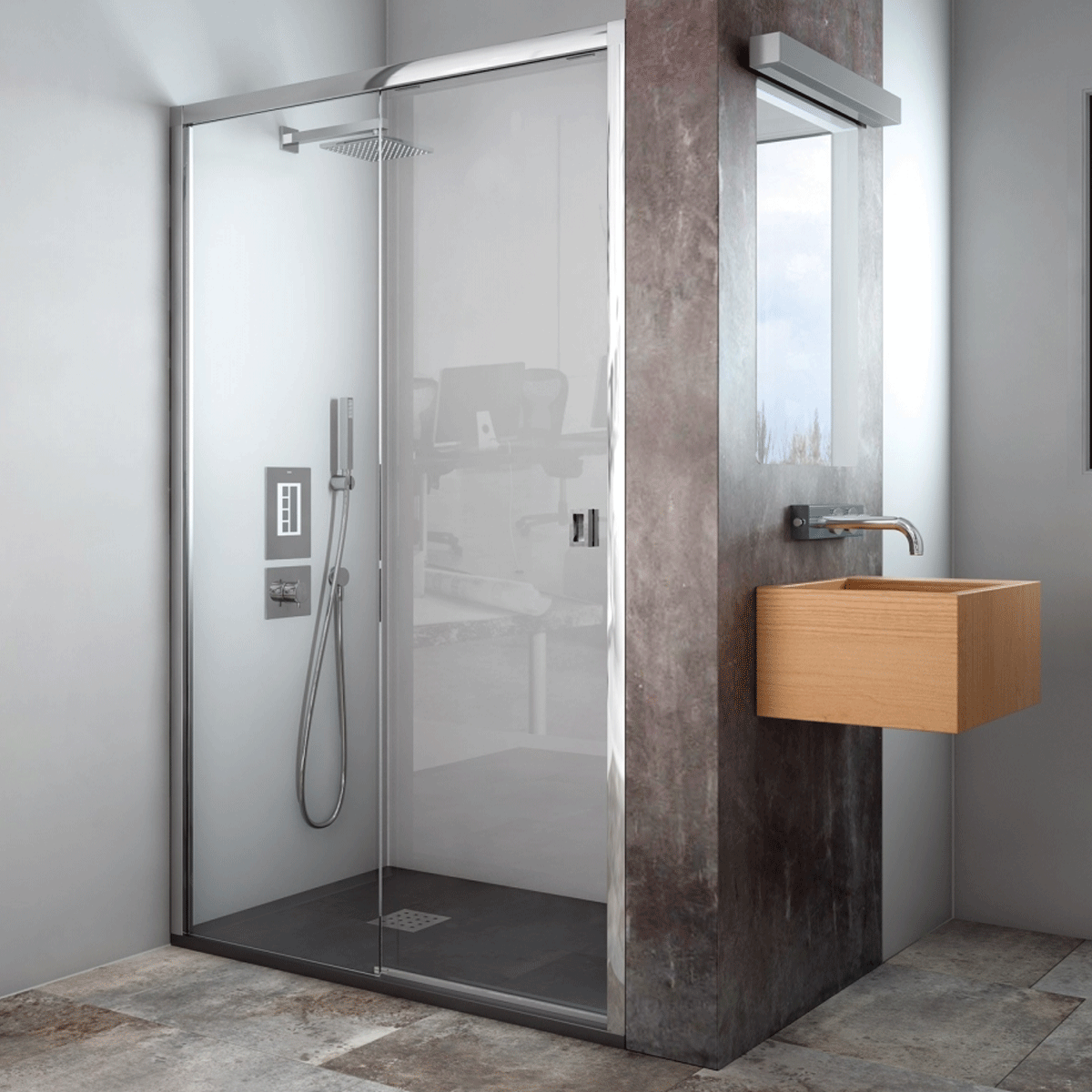
- Sliding opening: Screens with a sliding opening are ideal when space is limited, as they move along a track. This makes them practical for small bathrooms.
- Hinged opening: This type of opening works like a conventional door. It provides wide and comfortable access to the shower or bath and is suitable for bathrooms with enough free space around the opening. Additionally, this type of opening is very easy to clean.
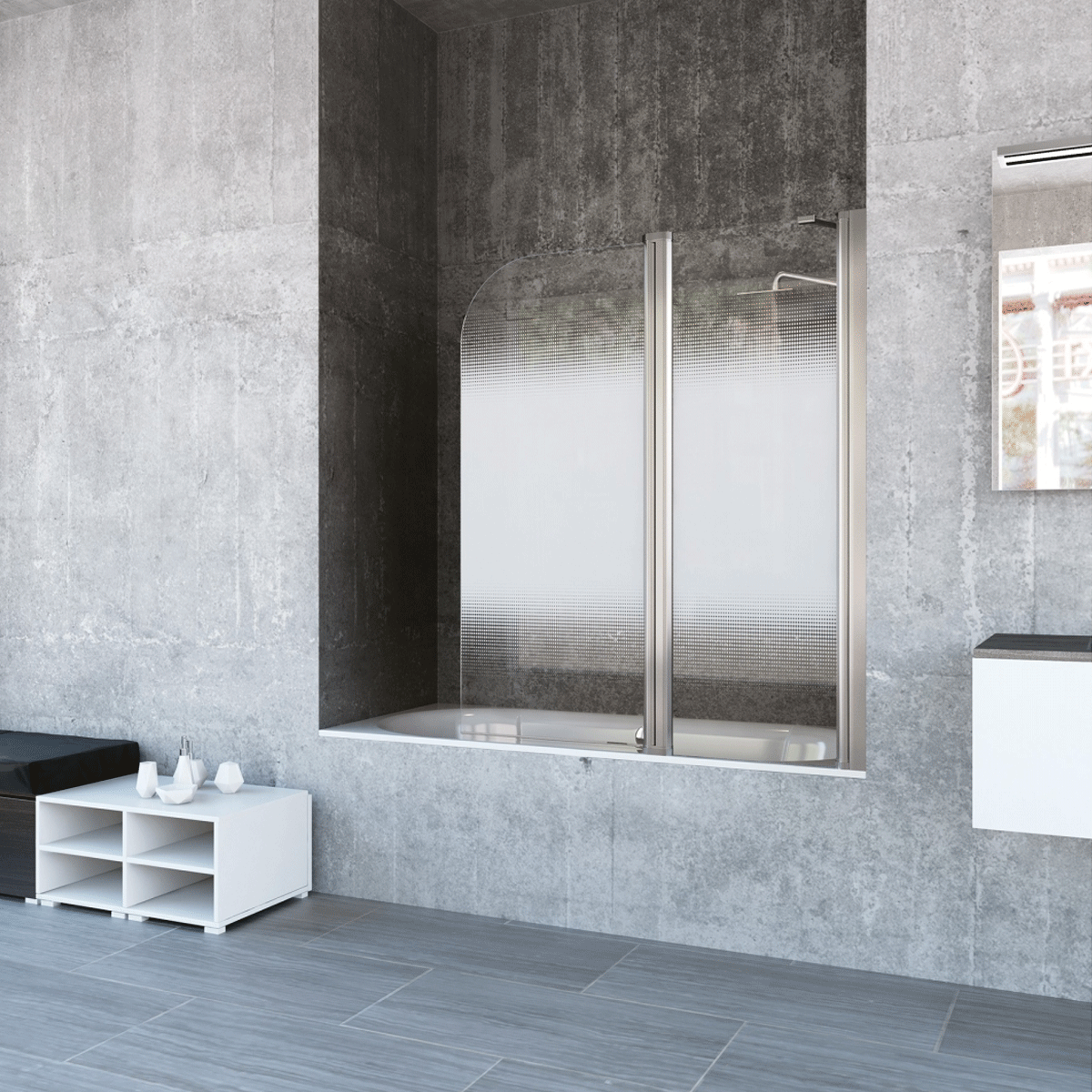
- Folding opening: Recommended for narrow bathrooms, these screens fold accordion-style, allowing quick and easy access to the shower. They do not require much space to open and are often adjustable depending on the number of panels.
- Pivot opening: Screens with a pivot opening rotate around a vertical axis, allowing the screen to open inwards or outwards, sometimes up to 180 degrees, which makes entry and exit from the shower or bath very easy.
It is always important to consider the available space in your bathroom as well as your personal preferences in terms of functionality and aesthetics when choosing a shower screen.