
 English
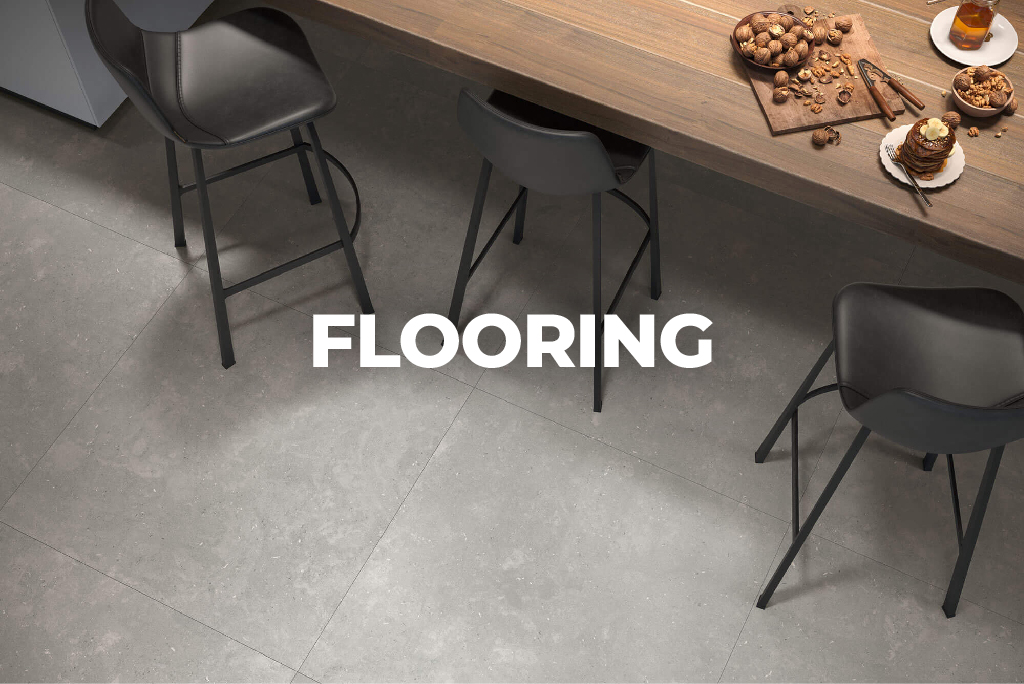
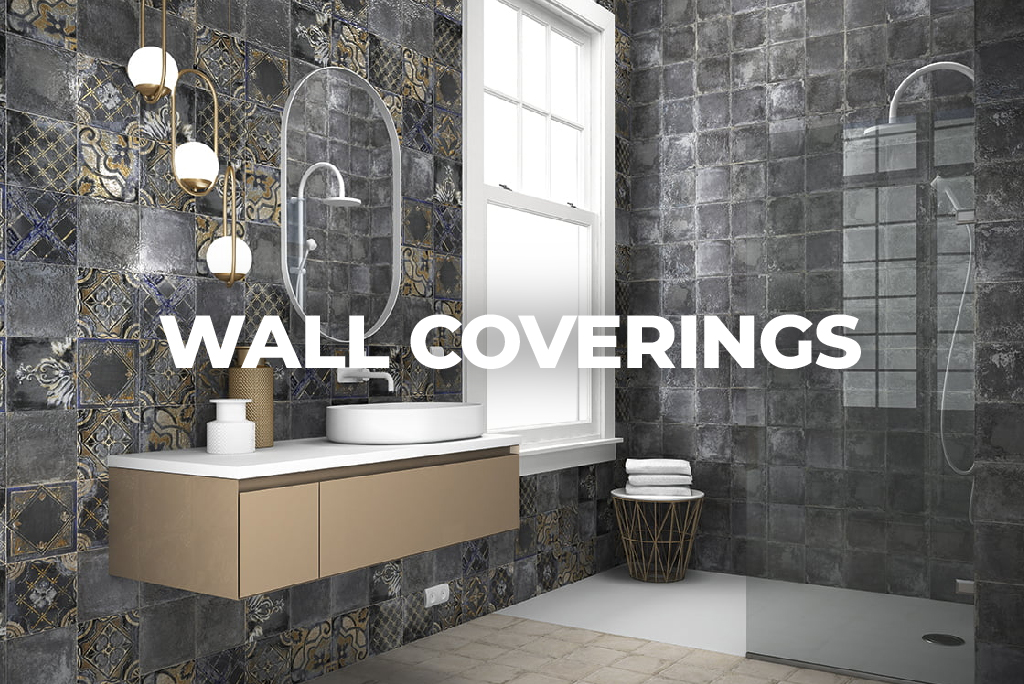
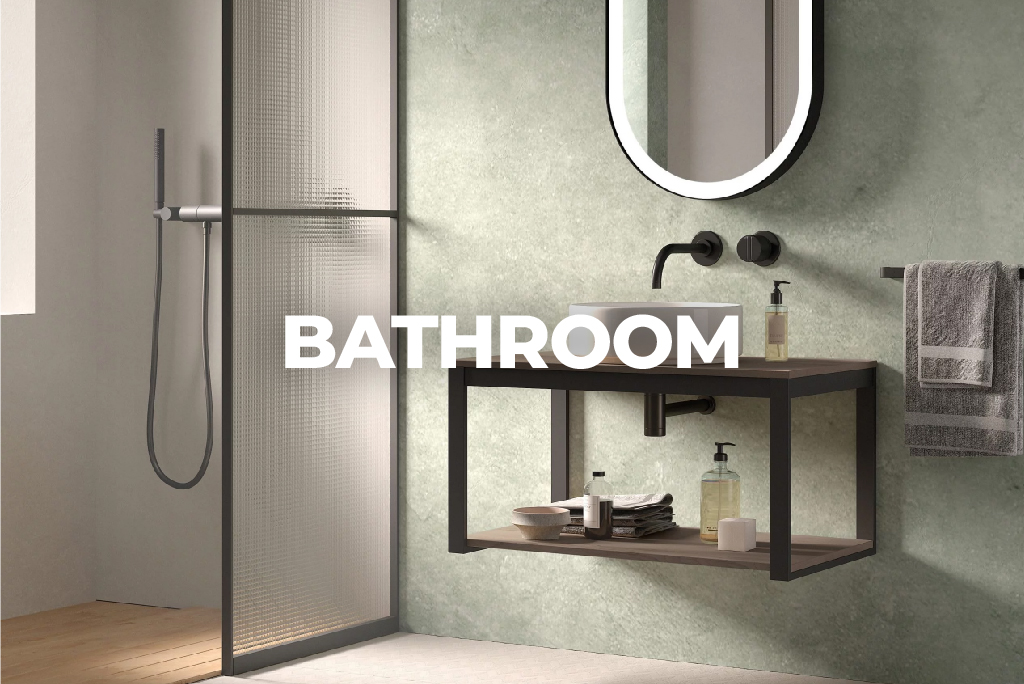
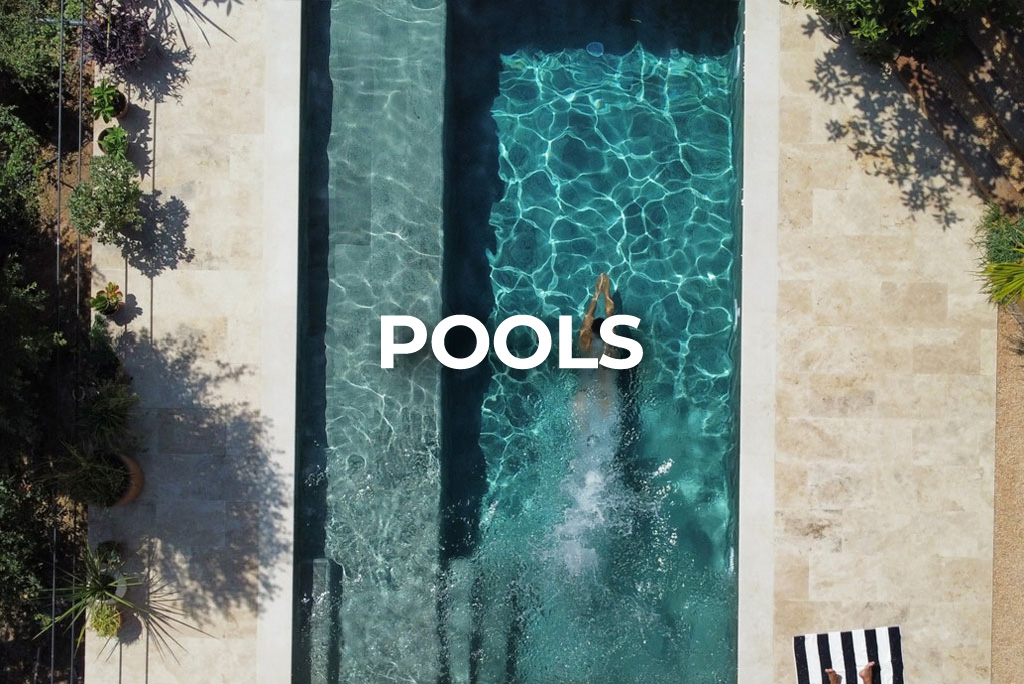




Imitation stone flooring


Non-slip stone imitation flooring
Frequently asked questions
Stone-look floors offer several advantages and a few disadvantages to consider before making a decision:
Advantages:
- Natural appearance: Designed to faithfully replicate the look of natural stone.
- Variety of designs: At ParaTuReforma, we offer a wide range of designs, colours, and textures available in stone-look flooring.
- Durability: Stone-look floors are resistant and long-lasting, able to withstand daily wear without losing their original appearance.
- Easy maintenance: Unlike natural stone, stone-look floors are very easy to clean.
- More affordable: Compared to natural stone, stone-look floors are generally more cost-effective.
Disadvantages:
- Less authentic feel: Although designed to closely resemble natural stone, in some cases they may feel less authentic.
- Limited scratch resistance: Stone-look flooring is generally very durable, but compared to natural stone, it may be more prone to scratches.
In summary, these products are made from high-quality materials, making them a worthy option if you want a floor that resembles natural stone.
Yes! Stone-look floors are ideal for outdoor areas. They are an excellent choice for patios, terraces, and other external spaces. These floors are designed to withstand weather conditions and provide both durability and resistance to wear.
The lifespan of stone-look floors can vary depending on usage, maintenance, and the quality of the material. Generally, these floors are known for being durable and resistant to wear. With proper care, they can last for many years without losing their appearance or functionality.
The ability to absorb water is the main property to be aware of. Along with the colour of the raw material, it is one of the qualities that define ceramic tiles. Additionally, other properties, such as frost resistance, also depend on this capacity.
Values vary depending on the type of material:
-
Porcelain stoneware: Absorption < 0.5 % – For interior and exterior walls and floors
-
Terracotta: 6 ≥ Absorption > 15 % – Interior and exterior walls and floors (does not resist frost)
-
Tiles: Absorption ≥ 10 % – Interior walls
-
Thick stoneware: 0.5 ≥ Absorption > 3 % – For interior and exterior walls and floors
-
Glazed stoneware: 3 ≥ Absorption > 15 % – Interior walls and floors
When discussing the frost-resistant property of a floor, it is important to know that not all tiles have this feature. It is essential to verify, especially if the installation is intended for outdoor use.
To determine if an outdoor floor is frost-resistant, refer to the ISO 10545-12 standard. This involves subjecting a sample 100 times to temperature changes ranging from -5 °C to 5 °C, after being previously immersed in water.
If the sample passes this test, the tile is considered to have the “Frost-resistant” characteristic.
Slip resistance is a characteristic specific to floor coverings and refers to the ability of tiles to resist slipping or sliding.
According to standards, there are 4 classes of slip resistance (Rd):
-
Rd ≥ 15: Class 0
-
15 < Rd ≤ 35: Class 1
-
35 < Rd ≤ 45: Class 2
-
Rd > 45: Class 3
The minimum required classes also depend on the floor location:
Dry areas
-
Surfaces with slope ≥ 6 % and stairs – Class 2
-
Surfaces with slope < 6 % – Class 1
Wet interior areas
-
Surfaces with slope < 6 % – Class 2
-
Surfaces with slope ≥ 6 % and stairs – Class 3
Interior areas
-
Kitchens – Class 3
Outdoor areas
-
Pools and showers – Class 3