












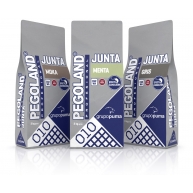
Professional Pegoland® CG2 WA Colored Bag...
Receive it between 15 and June 16.
€7.76
9,39 € VAT incl. 21%
 English



Frequently asked questions
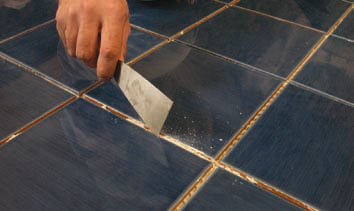
Yes, it is important to remove the old grout before applying new grout to ceramic tiles. The old grout may be loose or discoloured, and if it is not removed before applying the new grout, it can affect adhesion and the final appearance of the new grout. Additionally, if the old grout is in poor condition, it can damage the tiles and make future repairs more difficult. Therefore, it is recommended to remove the old grout before applying new grout to ensure a uniform and long-lasting finish.
There are several types of ceramic grout:
Grout with additive mortars: This is the most commonly used and easiest option. It is commonly used for ceramic floors and walls.
Epoxy grout: This is a durable and moisture-resistant option. Suitable for bathrooms, kitchens, and pools, as it is highly resistant to moisture and mould.
Silicone grout: This is a flexible and moisture-resistant option. Suitable for areas with high humidity and movement, such as bathrooms and kitchens, but is generally used only to seal joints or cracks, not as primary grout.
Each type of ceramic grout has its own characteristics and advantages, so it is important to choose the one that suits the specific area and needs.