










Free Shipping
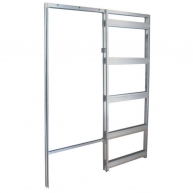
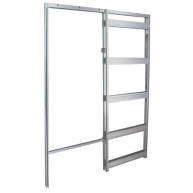
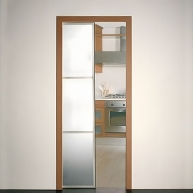
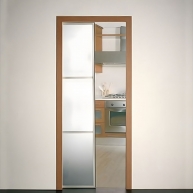
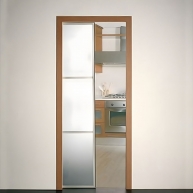
PYL 70x2020 sliding door structure kit
Receive it between 28 and July 30.
€139.79
169,15 € VAT incl. 21%
 English



Frequently asked questions
Yes, there are different types of rails designed to accommodate various sliding door styles. Some of the most common types of rails include:
Top rails: These rails are installed at the top of the door opening and are ideal for suspended sliding doors. They provide smooth and secure sliding.
Recessed rails: These rails are installed in a recessed guide in the floor, creating a more elegant and discreet appearance. Perfect for sliding doors where a continuous floor without obstructions is desired.
Suspended rails: Mounted at the top of the opening and used with suspension systems such as pulleys or cables to support the door’s weight. Ideal for large doors, offering smooth and silent sliding.
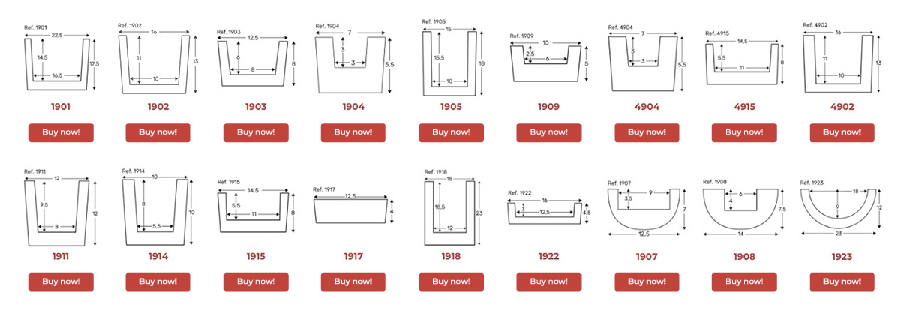
U-shaped rails: These rails have a U shape and are installed at the top of the opening. Suitable for heavier sliding doors, providing additional stability.
T-shaped rails: These rails have a T shape and are placed at the bottom of the sliding door. They ensure smooth sliding and prevent the door from swaying.
Yes, sliding door structures require maintenance to ensure optimal operation and to prolong their lifespan. Common maintenance tasks include:
Cleaning: It is important to periodically clean the rails and guides of sliding doors to remove dust, dirt, or any obstructions that could impede smooth movement. Use a soft brush or cloth and then clean with a product suitable for the material of the structure.
Lubrication: Apply lubricant to the friction points of the rails and moving parts when the movement is not as smooth as before.
Component inspection: Periodically check the rails, rollers, and guides to ensure they are in good condition. Look for any wear, damage, or deformation.
Adjustments and alignment: Over time, it may be necessary to make adjustments or alignments to ensure proper operation. This can include adjusting spring tension, aligning rails, or replacing worn rollers. It is recommended to follow the manufacturer’s instructions or seek a professional for proper adjustments.